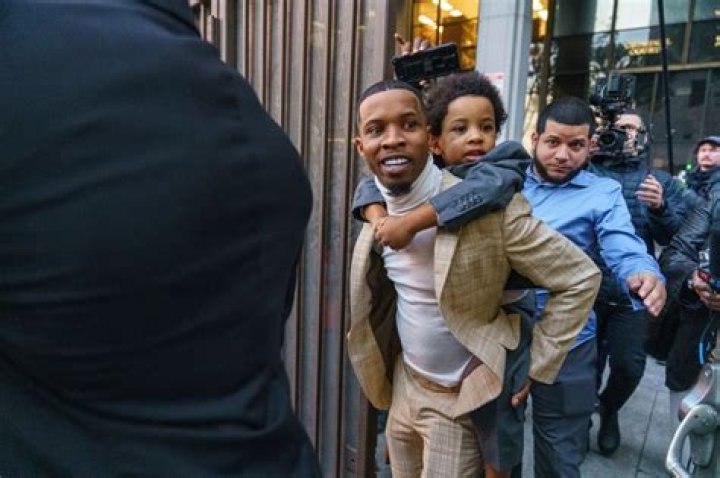
Have you ever wondered about the significance of "imposter pics" and their impact on our digital interactions?
Imposter pics are fabricated or manipulated images, often depicting public figures or celebrities in compromising or humorous situations. These images have become widespread on social media and online forums, raising concerns about privacy, authenticity, and the ethics of image manipulation.
The rise of imposter pics underscores the need for critical thinking and digital literacy in today's information-saturated world. By understanding the nature and potential consequences of these images, we can better navigate the complexities of online communication and protect ourselves from misinformation and malicious intent.
Imposter Pics: Key Aspects
Key Aspects:Misinformation and Identity Theft: Imposter pics can be used to spread false information or impersonate individuals for malicious purposes. Privacy Violations: These images often involve the unauthorized use of personal photos, potentially violating privacy rights.Ethical Concerns: The creation and distribution of imposter pics raise questions about consent, authenticity, and the boundaries of acceptable humor. Discussion:The prevalence of imposter pics highlights the ease with which digital images can be manipulated and shared. This has implications for trust in online interactions, as well as for the protection of personal information. It also raises ethical questions about the balance between humor and privacy, and the potential for harm caused by the spread of false or misleading images.{point}: Misinformation and Identity Theft
Introduction: Misinformation and identity theft are significant concerns associated with imposter pics, as they can be used to deceive and exploit individuals. Facets:False Information: Imposter pics can be used to create fake news stories or spread malicious rumors, potentially damaging reputations or inciting social unrest. Impersonation: These images can be used to impersonate individuals online, allowing scammers to access personal information or commit financial fraud.Summary: The use of imposter pics for misinformation and identity theft poses a serious threat to online security and trust. It is essential to be vigilant and critically evaluate the authenticity of images shared online.{point}: Privacy Violations
Introduction: Imposter pics often involve the unauthorized use of personal photos, raising concerns about privacy violations and the potential for emotional distress.Facets: Consent: The creation and distribution of imposter pics without consent can violate an individual's right to privacy and control over their image.Emotional Distress: These images can cause significant emotional distress to the individuals depicted, particularly if they are used in a malicious or humiliating manner. Summary:The privacy violations associated with imposter pics underscore the importance of respecting individuals' rights and obtaining consent before using their personal images.{point}: Ethical Concerns
Introduction: The creation and distribution of imposter pics raise ethical concerns about the balance between humor and privacy, and the potential for harm caused by the spread of false or misleading images. Further Analysis:Boundaries of Humor: The use of imposter pics for humor can raise questions about what is considered acceptable and where the line should be drawn to protect individuals from harm. Spread of False Information: The proliferation of imposter pics can contribute to the spread of false information and the erosion of trust in online interactions.Summary: The ethical concerns surrounding imposter pics highlight the need for responsible and ethical behavior in the digital realm, balancing the desire for humor with respect for privacy and the truth.Frequently Asked Questions About Imposter Pics
This section addresses common questions and concerns related to imposter pics, providing concise and informative answers.
Question 1: What are the potential consequences of sharing imposter pics?
Sharing imposter pics can have serious consequences, including legal repercussions for defamation or privacy violations. It can also damage reputations, spread misinformation, and contribute to a climate of distrust online.
Question 2: How can I protect myself from imposter pics?
To protect yourself from imposter pics, be vigilant about the images you share online. Only share photos with trusted individuals and be cautious of sharing personal information. Additionally, report any imposter pics you encounter to the relevant platforms and authorities.
Conclusion
Imposter pics have emerged as a significant concern in the digital age, highlighting the challenges of navigating authenticity and privacy in online interactions. These manipulated images can have far-reaching consequences, including the spread of misinformation, identity theft, and privacy violations.
Addressing the issue of imposter pics requires a multifaceted approach. Digital literacy and critical thinking are essential to combat the spread of false information and protect individuals from malicious intent. Additionally, ethical considerations and respect for privacy should guide our behavior in the digital realm.
Masterful Eagle Eye Drawing: A Step-by-Step Guide
A Visual Journey Of The Peloponnesian War: A Collection Of Captivating Pictures
Discover Andy Enfield's Luxurious Mansion: An Architectural Masterpiece
Among Us How to Be The Imposter Every Time
How To Draw The Imposter